In recent years, the proliferation of vaping among students has raised significant concerns regarding campus safety. As educational institutions strive to create a healthy environment, innovative technologies such as vape detectors have emerged as essential tools in combating this issue. This article delves into real-life success stories that highlight how vape detectors, particularly the Zeptive vape detector, have transformed campus safety for the better.
What is Vape Detection?
Vape detection refers to the use of advanced technology to identify and monitor vaping activities within a designated area. Unlike traditional smoking, which produces visible smoke, vaping generates aerosol that can be harder to detect without specialized equipment.
The Importance of Vape Detection in Schools
Vape detection plays a crucial role in maintaining a healthy learning environment. Schools are tasked with ensuring their students feel safe and secure, and the presence of vaping can create an unsafe atmosphere. Here are some key reasons why vape detection matters:
Health Concerns: Vaping poses health risks not just to users but also to those exposed to secondhand vapor. Legal Compliance: Many states have laws prohibiting vaping on school grounds. Preventing Distractions: Vaping can distract students from their studies and disrupt classroom environments. Promoting Positive Behavior: Implementing vape detection demonstrates a commitment to student well-being.How Do Vape Detectors Work?
Vape detectors utilize sensors that can identify specific chemicals found in e-cigarettes and vape products. When these compounds are detected in the air, the device sends notifications to school authorities.
Components of a Vape Detector
Understanding how vape detectors work involves looking at their core components:
- Chemical Sensors: These detect specific substances associated with vaping. Wireless Technology: Most devices connect via Wi-Fi or Bluetooth for instant notifications. User Interface: Many devices come with user-friendly dashboards for monitoring activity.
Real-Life Success Stories: How Vape Detectors Improved Campus Safety
Across various educational institutions, the implementation of vape detectors has led to remarkable improvements in campus safety. Below are some compelling success stories showcasing their effectiveness.
Case Study 1: Springfield High School
Springfield High School faced rising concerns about student vaping during school hours. After installing Zeptive vape detectors throughout the campus, they observed a dramatic reduction in incidents related to vaping.
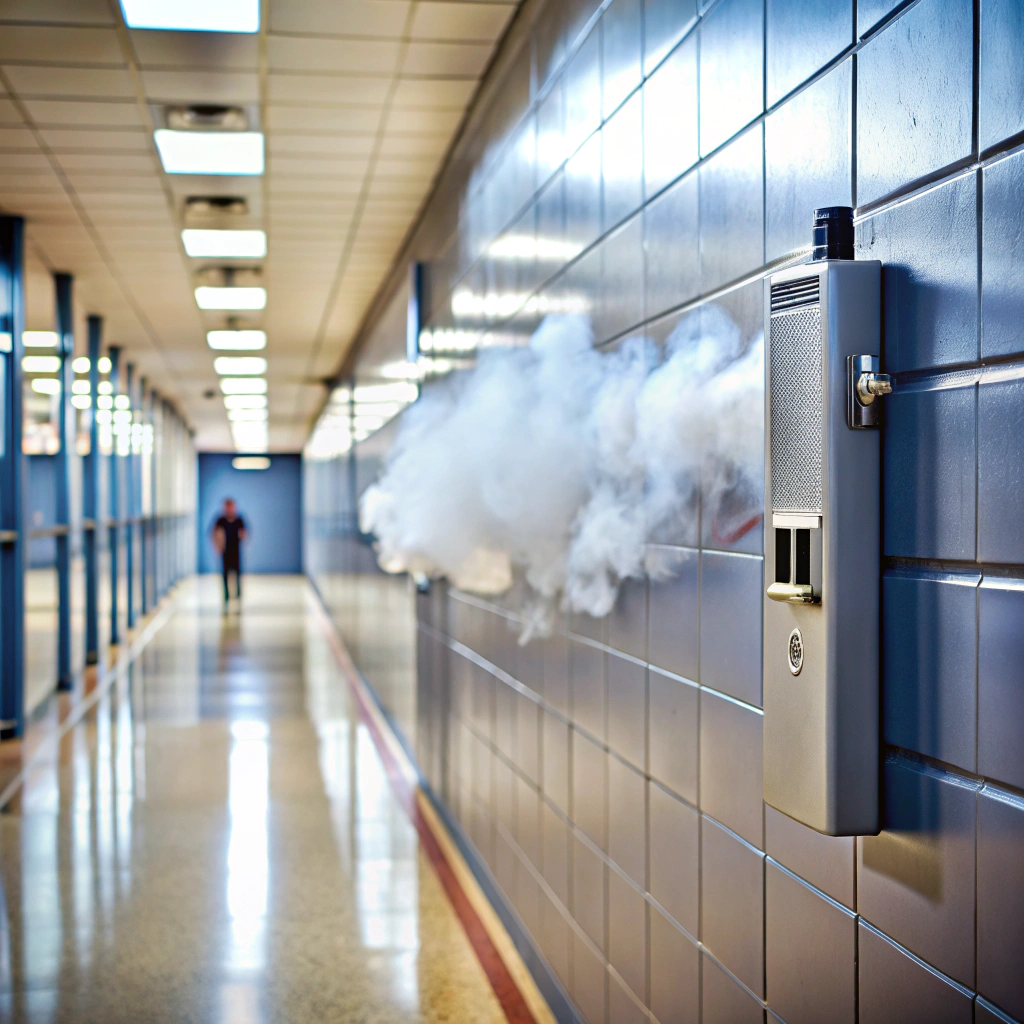
Results Observed
- Decrease in reported vaping incidents by 70%. Enhanced communication between staff and students regarding substance use policies. Increased awareness among students about health risks associated with vaping.
Case Study 2: Lincoln University
Lincoln University was struggling with compliance issues related to state regulations on smoking and vaping on campus grounds. By incorporating advanced vape detection systems, they managed to turn things around quickly.
Results Observed
- Achieved full compliance within six months. Developed educational programs based on data collected from detections. Fostered a culture of accountability among students regarding drug use.
Case Study 3: Maplewood Community College
Maplewood Community College implemented vape detectors following reports of increased usage among its student population. The decision led to several positive changes across campus life.
Results Observed
- Creation of support groups for students seeking help with addiction. Partnerships with local health organizations for outreach programs. Boosted overall morale as students felt safer on campus.
Benefits of Using Zeptive Vape Detectors
When it comes to choosing a vape detector, Zeptive stands out due to its innovative features and vape detectors effective performance.
Key Features of Zeptive Vape Detector
Real-Time Monitoring: Provides instant alerts whenever vaping is detected. User-Friendly Interface: Easy navigation for administrators makes monitoring seamless. Cloud-Based Data Storage: Allows long-term tracking and reporting of incidents for further analysis. Customizable Alerts: Tailor notifications based on different criteria such as location or time of day.Challenges Faced with Vape Detection Implementation
While implementing vape detectors has proven successful for many institutions, challenges do exist that schools must navigate.
Cost Considerations
The initial investment required for installing these devices may deter some schools from adopting this technology. However, considering the long-term benefits—such as improved health outcomes—the cost often justifies itself.
Resistance from Students
Some students may view vape detectors as invasive or an infringement upon their privacy rights. Open discussions about health implications and responsible usage can help mitigate these concerns.
Technical Issues
Like any technology, there may be occasional malfunctions or false alarms that need addressing promptly; thus requiring proper training for staff members using these systems.
FAQs about Vape Detectors
1. What types of substances can vape detectors detect?
Vape detectors primarily identify aerosolized particles produced from e-cigarettes and other similar products containing nicotine or THC.
2. Are there legal restrictions on using vape detectors in schools?
Most states allow schools to implement such technology; however, it’s essential to consult local regulations before installation.
3. How does the Zeptive vape detector compare with others?
Zeptive is known for its reliability and user-friendly interface compared to other brands available on the market today.
4. Can parents access data collected by these devices?
Typically, data is shared with school authorities first; however, parents may request information through appropriate channels if necessary.
5. What should schools do if they detect frequent vaping?
Schools should consider implementing educational programs focused vape detectors comparison on substance abuse awareness while providing support resources for affected students.
6. Are vape detectors effective at reducing overall substance use?
Yes! Studies show that campuses using these devices report lower rates of not just vaping but also other forms of substance abuse over time due to increased awareness and accountability among students.
Conclusion
As we’ve explored through real-life success stories like those from Springfield High School and Lincoln University, it's clear that implementing vapor detection systems such as the Zeptive vape detector significantly improves campus safety while fostering healthier environments conducive to learning and growth. By addressing both immediate concerns surrounding student wellness alongside broader issues related an epidemic facing young people today – we take essential steps forward towards creating safer spaces dedicated solely toward education – free from distractions caused by harmful habits!
In conclusion, embracing innovative solutions like vapor detection isn't just about monitoring behavior; it’s about investing in our future generations’ health and well-being!